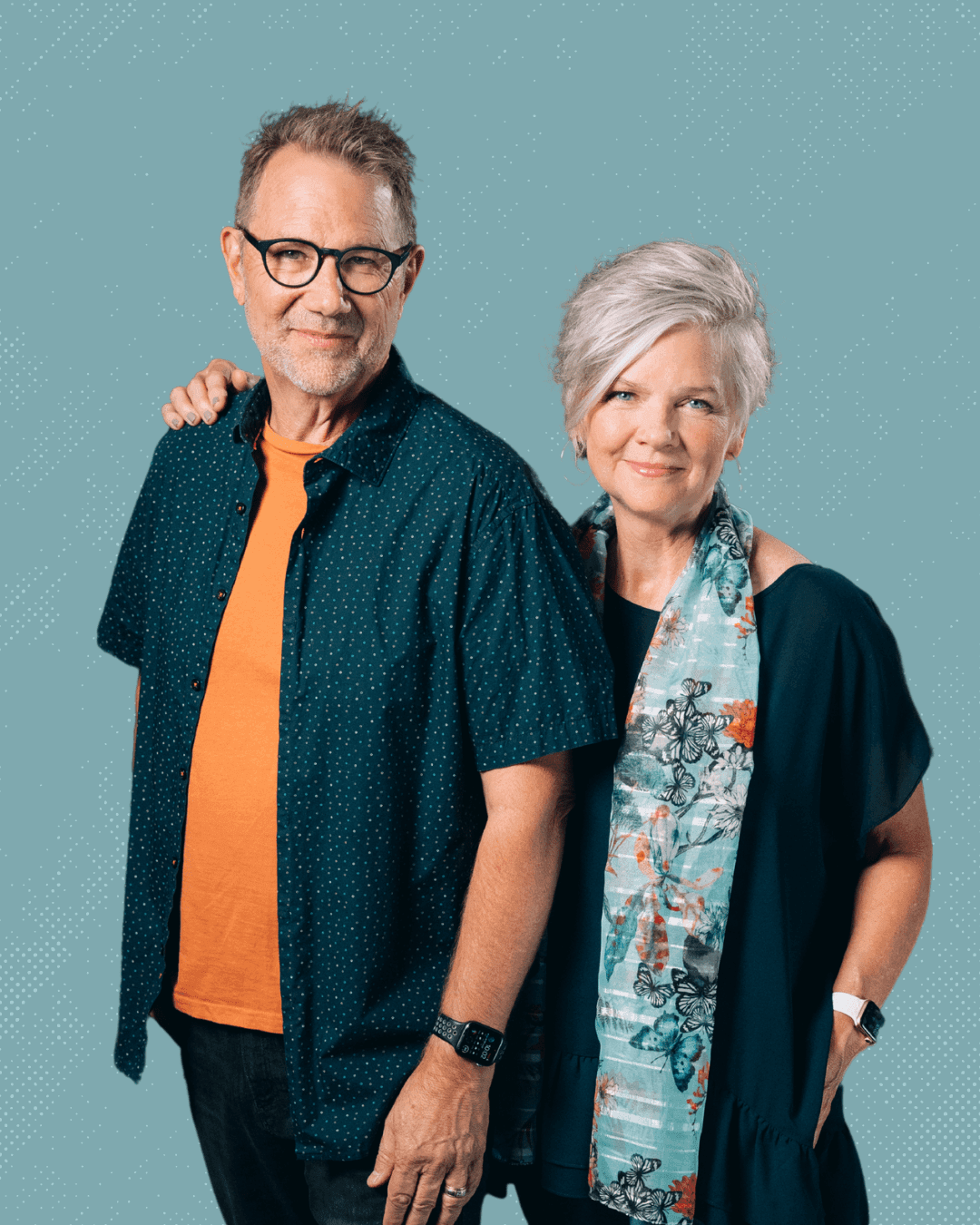
Episode 65
The Story Behind Her Praise: Two Tragedies, One Faithful God with Diana Kannady
– – – – – – – –
Diana Kannady’s Website: DianaKannadyAuthor.com
Diana’s book on Amazon: The Story Behind My Praise
Shop our Store: https://charlieandjill.com/shop
Download FREE Resources: https://charlieandjill.com/welcome/
Find all our latest links and offers in one place: https://linktr.ee/charlieandjillleblanc
Stay Connected with Charlie & Jill:
Website: CharlieandJill.com
YouTube: @CharlieJillLeBlanc
Facebook: /CharlieandJillLeBlanc
Instagram: /charlieandjill
X (Formerly Twitter): /charlieandjill_
#grief #griefjourney #loss #help #hope #christian #podcast
– – – – – – – –
Diana Kannady’s Website: DianaKannadyAuthor.com
Diana’s book on Amazon: The Story Behind My Praise
Shop our Store: https://charlieandjill.com/shop
Download FREE Resources: https://charlieandjill.com/welcome/
Find all our latest links and offers in one place: https://linktr.ee/charlieandjillleblanc
Stay Connected with Charlie & Jill:
Website: CharlieandJill.com
YouTube: @CharlieJillLeBlanc
Facebook: /CharlieandJillLeBlanc
Instagram: /charlieandjill
X (Formerly Twitter): /charlieandjill_
#grief #griefjourney #loss #help #hope #christian #podcast
Read the Transcript
Jill LeBLanc:
Hi, and welcome back to the Finding Hope Podcast. We’re Charlie and Jill LeBlanc, and we’re so glad you’ve joined us today. We have a really special guest from St. Louis, Missouri, and it’s someone that we personally didn’t know real well, but our stories, our paths crossed all through the years. And when I read her book recently, I saw her picture and like, of course I know her.
Jill LeBLanc:
We’re so glad to welcome Diana Kennedy with us today.
Diana Kannady:
Thank you so much for having me today. I’m so honored.
Charlie LeBlanc:
It’s exciting for us because, we read your book. It blessed us so much and ministered to us. And what was funny, it ministered to us in a couple of different ways because you’re from St. Louis and we’re from St. Louis and we’ve crossed paths so much, as Jill said, through the years and the places you’ve lived and the places you went and the churches you were at.
Charlie LeBlanc:
And it just really blessed us as we were reading it, going, Oh my gosh, I know where that is. I know what that is, you know? So that was really great. But of course, our hearts were totally shattered and broken as we began to hear about the losses that you encountered and the difficulties of getting through those. It was just horrific.
Charlie LeBlanc:
And yeah, we were just terribly shocked and blown away at your recovery, the grace of God in your life, to get to the place where you are and to write such a nice book. And, we might want to just show that book right from the top just so everybody in our audience can know. This is a book by Diana Kennedy and we highly recommend it. Jill and I, for those who are only hearing it by audio, it’s a great book and you can find it on Amazon or go to her website, dianacanadyauthorauthor.com. I’m going to spell that out.
Charlie LeBlanc:
I know we’ll do this a lot more later, but for those who are just listening by Spotify or by Apple Podcast, it’s dianacannadaauthor.com. That’s D I A N A, then Cannady is K A N N A D Y. I’m saying Cannady again, just Cannady. So K A N N A D Y, author, A U T H O R dot com. All right.
Charlie LeBlanc:
So sorry to get into all those details right up from the top, but we really want people, Diana, to get your book because it’s a blessing. It really is.
Diana Kannady:
So Diana,
Jill LeBLanc:
again, thank you so much Can for being with us you share basically your story in about five minutes just for the listeners to get a little bit of your background?
Diana Kannady:
Sure, absolutely. And I do wanna say, as I mentioned earlier, how honored I am to be here to share my story. I, you know, the journey that you took, I can’t imagine after the loss of your son and the way that you have been so transparent and you’ve turned it into a ministry, It’s encouraged. It’s been a source of encouragement for me as I’ve listened to your podcast and also read your book to understand that we’re not alone in these journeys. So my story begins, I was 22 years old and in love with the first love of my life.
Diana Kannady:
And, you know, we were planning to get married. I was about eight weeks pregnant at the time and unfortunately he was murdered. I was the only witness to that incident. I was left alive by the grace of God and had a series thus began my first, why questions to God? Why him and not me?
Diana Kannady:
Did this happen? And then of course, how am I gonna move forward? Know, a single parent, a child that will never know her father, it turned into, you know, I had grand jury hearing, I had the trials, I had, you know, dealings with a prosecuting attorney, just not that a 22 year old typically has to walk through. But I had faith, you know, from my early days, I just always had a connection to God. I, you know, it’s hard to explain, but I just knew that he was gonna get me through it.
Diana Kannady:
And in this particular case, the night after I spent in the police station giving my testimony, I was standing on the steps of the St. Louis County Courthouse, and one of the advocates for victims of crime, she put her hands on my shoulders and she said, You have a right to hate these men. You have a right to wanna seek revenge. And this is how you’ll understand the cover of the story because as I was standing there, I was watching the sunrise. This is in Clayton, Missouri.
Diana Kannady:
And I just remember in my heart just whispering to God, I don’t want to spend the rest of my life hating these men. I don’t want to seek revenge. I knew that wasn’t gonna be a healthy choice for myself or for my child. And I’ll tell you that decision, I think changed the whole trajectory of my life from that point forward. So fast forward, I went through single parenting.
Diana Kannady:
You know, there was so much that God did in the in between years, but to fast forward when my daughter, so I had a little girl, who’s now a big girl, 43. Her name is Lauren. And anyway, she was nine years old. I met my husband at church in St. Louis and we ended up getting married and he adopted her and, you know, was a wonderful father.
Diana Kannady:
I had two more children. And anyway, you know, was good. I won’t say that our marriage wasn’t without challenges, but I did, you know, choose to trust God even in the marriage. And I was so thankful because how God turned everything around in our marriage. We, you know, our last years together were just wonderful, such a gift.
Diana Kannady:
And so our oldest daughter was planning to get married. She met a wonderful man, Christian man, and they were going to have a destination wedding in Siesta Key, Florida. And so we all were in Siesta Key, of course, for this wedding. Fortunately, God had put it on my husband and I’s heart to spend some time alone together before the wedding, another gift. You know, I think you can probably see this too, that no matter hard and difficult things are in life, with God you can always look back and see his hand in them, you know?
Diana Kannady:
And so I know that that time together with him in Treasure Island was a gift. So the day, the night before the wedding, my husband, his name was Chris, he had the pleasure of walking our daughter down the aisle for the rehearsal on the beach. We had a wonderful evening, a dinner. We had family and friends gathered. It was a wonderful experience.
Diana Kannady:
The day of the wedding, we had some time, you know, before the wedding was going to be late afternoon. And so my youngest daughter and I and my six year old granddaughter went to the beach. My husband joined about twenty minutes later and he and my daughter were swimming in the ocean just like they had the day before and he had the whole week prior. Nothing different except something happened and it’s unexplainable. Nobody really knows exactly what happened.
Diana Kannady:
But all of a sudden I seen everybody on the beach standing up and motioning with their hands. And my daughter was drifting toward the shore and he was just staying in one place. And I realized, I said something’s not right. And unfortunately, in just a matter of minutes, my, I, and this is the part that can sometimes be so hard for me in remembering because he was looking right at me. Then the next minute he’s face down in the water.
Diana Kannady:
And you can imagine my first thoughts were, Oh God, this can’t be happening. Of course I believe you go into a state of shock. I just thinking and that’s, you know, some of those why questions, you know, why on my daughter’s wedding day, she’s losing her adoptive father, she’d already lost her biological father. The timing, you know, I didn’t really understand. But again, God was there and we made a decision, my daughters and I, that I think a lot
Jill LeBLanc:
of
Diana Kannady:
people can’t believe that we did. And we went through with the wedding that day. The wedding was about three hours or four hours after his passing. And he did actually pass away on the very beach where she was going
Jill LeBLanc:
How to you did be that? Except God’s grace.
Diana Kannady:
But, you know, the grace of God, because I did not want that day. I didn’t want the devil. He’s the one who comes to And kill, steal and I thought, I’m not gonna give him the opportunity to make this a double tragedy. And I knew how important this was for my daughter, you know, and for my granddaughter. And I’ll tell you, you know, we were surrounded by beautiful people who orchestrated the most incredible wedding venue.
Diana Kannady:
And sorry, my screen just went silent for a second. Anyway, the next day, you know, the wedding and reception went off beautifully. You’ll have to read the to understand more details. But the next day I was sitting in the Tampa Airport and I got received a phone call from really good friends of ours that were missionaries in Alaska. And what had started to seep into my spirit and my emotions was anger.
Diana Kannady:
I’m leaving my husband in a morgue in Sarasota, Florida. It was open police investigation. I, you know, I was starting, I had laid hands on my husband and I had believed as I was given CPR, he was gonna live and not die. I believed his word that when you lay hands on the sick, they will recover. And when sheriff came to us and told us that all efforts have been exhausted, you know, it’s hard.
Diana Kannady:
It’s, you know, it’s really hard. But my friend told me that day in the airport, she said, Diana, you’re gonna have to make a decision right now. You’re either gonna trust God or not. And I chose again, like I had years before on the county steps, God, I’m gonna choose you over anger.
Jill LeBLanc:
You
Diana Kannady:
know, the rest is history because he is faithful. He is faithful.
Charlie LeBlanc:
Well, it’s an unbelievable story. And we did read the book and yeah, you just gave a snippet of it, but, oh, we can’t even imagine. We can’t even imagine the trauma of that moment. And like Jill said, the strength to go on through with the wedding. But I understand that, you know, because you just had to, to slap the devil in the face and not let him totally ruin your daughter and your and all the guests and everything there.
Charlie LeBlanc:
So you did the right thing. But man, and to choose like you have, to choose to not be embittered to the first men that murdered, Woody, and, your husband to be, and then also now on the wedding day to choose in the airport there, that you wouldn’t let anger overtake you. That’s beautiful. Yeah, absolutely.
Jill LeBLanc:
My own experience was so opposite of that. And I just honor you for even thinking to welcome the Lord into your pain to help you to choose joy every day. Because I don’t think I even went there in my mind, you know, to welcome God in for anything. I was mad at God. Didn’t think he wanted to help us do anything because where was he when, you know, our son just died after we’d been standing and believing and all that, you know?
Jill LeBLanc:
Right. So I just, I mean, that was really beautiful. The grace of God that was poured out on you to be able to make a commitment to choose joy every day. And I know it wasn’t always easy and it probably sometimes was on the back burner by the things that you walk through when you’re going through the whole journey. But can you explain, share a few instances of what were some examples that you had to choose joy?
Jill LeBLanc:
Can you think of just some things you were walking through and the Lord helped you specifically with certain instances?
Diana Kannady:
Well, one for sure is about six months after his death, I think reality was really settling in. And I just remember sitting in my living room and just feeling so overwhelmed. You know, I was a single homeowner. I felt like my family had been looking to me. And all of a sudden, you know, I hit this point, the lowest point I ever hit where I can honestly say, I’m gonna be so truthful here, that I can understand now that when a person thinks of suicide or ending their life, they’re not thinking about their family or it’s not a selfish decision that they’re making.
Diana Kannady:
The only thing on your mind at that point is you The want the pain to pain had become so heavy and so overwhelming that even my physical body, I hurt everywhere. And I just sat in my living room and I just cried and cried. And I just thought, God, you know, there was a big part of me that didn’t wanna do this anymore. You know, I just wanted the pain to end. And thankfully, God sent an angel of to a my front door who took me, you know, to the emergency room.
Diana Kannady:
And I, the nurse in that emergency room, I believe they were angels.
Jill LeBLanc:
Wow.
Diana Kannady:
Both the nurse and the doctor. And that nurse told me that I was gonna have to start choosing joy. That joy may not come on its That’s for sure. It was a choice I was gonna have to start making. And so I did, I got a tattoo here.
Diana Kannady:
Today I choose joy. And you know, for a while it was a reminder every single day that, okay, I’m gonna choose joy today. I may not feel it. I may not even want it, but I’m gonna choose it. And then all of a sudden you realize you don’t even have, I didn’t have to look at the tattoo anymore.
Jill LeBLanc:
That’s beautiful.
Diana Kannady:
It was just coming naturally. And I realized, you know, the source of came that from Jesus.
Charlie LeBlanc:
That’s beautiful.
Diana Kannady:
Well,
Charlie LeBlanc:
know, Diana, as you were saying that, know, there’s a difference between being joyful and choosing joy. And I know even for me and for my journey, knew there were many times that I had to choose to be positive. I had to choose to think positive and good thoughts versus the negative hell that was going on in my brain and in my heart. But even at doing that, choosing it, there was difficulty maintain it, you know? And there was a spiritual battle to get it there.
Charlie LeBlanc:
So I appreciate you being so transparent about that moment and that difficulty because we’ve all been there. Those of us, and I’m telling you, there are people that are listening right now that have lost their husbands. We have so many friends who have lost their husbands. And they have, you know, many of them are ministers, ministers’ wives, and, and you know, they, they, they have to put up a good front in front of their friends and people and so forth. But when you get home and you’re all alone and the house is empty and the reality, like you say, sinks in, boy, it’s a battle.
Charlie LeBlanc:
It’s a major battle. And I think you being transparent like this is so helpful for them because like we talked a little bit before we started recording, you know, people need to realize that they’re not alone in this journey of grief and that they’re not alone in this fear and in this feeling of depression and oppression. And I really appreciate your explanation of just needing, wanting to get out of the pain of it, you know, because I went to my doctor and I said, I’m crying all the time. I need help. You know?
Charlie LeBlanc:
And so that’s normal. It’s a normal thing that we, those of us who have had traumatic losses, it’s a normal thing. And I think it’s, I appreciate you being so transparent about that.
Jill LeBLanc:
Yeah, for sure.
Diana Kannady:
Absolutely. You. I think I also realized-
Charlie LeBlanc:
No, no, please. Want to hear from you I
Diana Kannady:
think I also realized I was going to counseling with pastors at my church. And I had a moment with them where I realized I wasn’t angry with God, but you know, I feel like I’d let that anger go, but my trust in God wasn’t where it needed to be. I would sing worship songs, but my heart didn’t really believe them because, you know, God, in my opinion, had not been faithful to me. He had not answered my prayers. And what what came out of that counseling session was I realized that I needed to forgive God for disappointing
Charlie LeBlanc:
me.
Jill LeBLanc:
And
Diana Kannady:
once I did that, it was like instantly my relationship with the Lord just, I mean, it was like he had felt so distant. It wasn’t that he had ever left or forsake me. Had allowed that unforgiveness to come between our relationship. And as soon as I forgave him, it was like it was instant. And I knew then that I was gonna move forward and my faith was gonna be at a higher level.
Diana Kannady:
I just knew it, you know? And I think sometimes, I know I watched the one podcast you had, Jill, where, you know, the why. I mean, we all face that. Why? God.
Diana Kannady:
Why? Yeah. You know? And I found myself going back to why twice? Why did I have to go through something like this twice?
Diana Kannady:
You know? Why on my daughter’s wedding day? Why a drowning? Why did my six year old granddaughter have to watch this? Why did my daughter have to be in the water with you know, you have all those questions of whys and you want answers.
Diana Kannady:
Desperately feel like you have to have those answers. But eventually, I started recognizing that the answers were being replaced by his presence and by his peace.
Jill LeBLanc:
That’s amazing.
Diana Kannady:
And all of a sudden, I, I, you know, I didn’t need, I found myself not asking the questions anymore. And then I would say, well, I guess when I get to heaven, I’ll get the answers. And then one day it was like the, you know, I thought to myself, when I get to heaven, I’m not even gonna get exactly. It doesn’t matter in heaven. Why am I allowing it to matter here on earth?
Diana Kannady:
Right. And that’s where the real breakthrough for me took place. Yeah. And that didn’t happen overnight. Took years.
Diana Kannady:
Of course.
Jill LeBLanc:
Yeah. Yeah. It was probably ten years for me before I felt permission to start moving forward. And it’s just a process and everyone’s journey’s a little different and takes different amounts of time because everyone’s hearts and souls are different. And the Lord knows each layer that needs help.
Jill LeBLanc:
Aren’t we so grateful? But I just wanted to read a little paragraph out of your book, because I thought it was so beautiful how you said it on page 146. You said, As I wrestled with the question, I found myself thinking of God, the father watching his son suffer on the cross. He understood grief in a way no one else could. He understood loss.
Jill LeBLanc:
And in the realization, I knew I would need him to guide me through the days, weeks, months and years ahead. That was so beautiful. And so true. The Lord is touched with the feelings of our pain and is so compassionate and gracious. Thank God.
Diana Kannady:
Yes. Thank God.
Charlie LeBlanc:
Yeah. Diana, if you don’t mind, I’d like to go back for one moment to this forgiveness thing, because it’s ministering to me big time. Okay? But like my first thing is, okay, I know that God didn’t do this to me or to my son. I know that in my heart that I know and believe that God wanted my son to live.
Charlie LeBlanc:
And so, and just as you know, so the whole forgiveness thing is very interesting because I felt the same thing. I’ve had a hard time singing certain songs. In fact, we’re worship leaders. So within about five months, four or five months, we were back leading worship because, let’s just face it, it was our job as well. You know, it was our livelihood.
Charlie LeBlanc:
And, you know, we were precious people we worked with. The ministers, they were very gracious to us. Said you could take as much time off if you need to, but we had to get back in the saddle. But I started picking songs, taking out this one, taking out this one, because I said, I can’t sing that anymore. Right now I have to be authentic in my worship time.
Charlie LeBlanc:
I can’t sing that one or this one. And like you said, the whole faithfulness thing, that was a really hard thing for me to sing about. And there were some big popular songs out about faithfulness and still are. And I struggled with that a lot. And I really appreciate you addressing this because I know a lot of people struggle with that as well, and thank you so much.
Charlie LeBlanc:
But this aspect of forgiving God, that is so powerful because it’s interesting when you talk about forgiving someone, like people say, will go up to someone and say, I just want you to know that I’ve forgiven you. I’m forgiving you right now because of this. And they’re like, what? I didn’t even know I did anything wrong to you. What are you, you know, what are you doing?
Charlie LeBlanc:
But we forgive people because we need to, because it’s hurting us. It’s destroying us. Whether God, you know, we know that God didn’t do this, but we need, that’s why my brain was just giving a hard time getting ahold of this, because God, I forgive you for not raising my son from the dead or allowing him to die. And the Lord’s saying, wait, woah, woah, woah, wait a minute, wait a minute. I didn’t, you know, I didn’t allow your son to die.
Charlie LeBlanc:
I didn’t want him to die either, you know? But nonetheless, for me, I need to release that to the Lord as well. And I think a lot of people listening, that this is a really, really deep but healthy place. I’ve got a dear friend I talked with on the phone recently. He lost his son, 40 years old, just awful.
Charlie LeBlanc:
And the pain and the anger, you know, that he’s experienced. So man, if there’s anything more you want to say about this forgiveness thing, because you knew it wasn’t God who did it, but nonetheless, you knew you had to forgive him. So that’s interesting to me.
Diana Kannady:
Well, yeah, because it was the reality is I was disappointed in God. Of course. You know? Of course. Broke my heart.
Diana Kannady:
I actually found myself more heartbroken over that and the feeling of being separated from God. That heartbreak was almost worse than what I was experiencing with the loss of my husband. Because I thought, now really alone, even though he never left me. But I put myself in a position of feeling extreme loneliness because I had that, I put that barrier up. And once I forgave him, like you said, we do that for ourselves.
Diana Kannady:
Even though the Lord was always right there with me, now I could receive him. And you know, by faith and my trust in him began to grow again. And suddenly the songs that I was singing, because worship is my lifeline. And I know the song, the goodness of God. I can’t sing that song without crying.
Diana Kannady:
And, you know, people will say, how can you sing about the faithfulness of God? And I’m like, how can I not? You know, I am who I am today. I’m standing here and have joy in my life. I have a good life and it’s because of his faithfulness.
Diana Kannady:
Yeah.
Charlie LeBlanc:
Love it.
Diana Kannady:
I do think, you know, we have a responsibility in the choices we make and being honest with God. He wants to hear our whys. You know, don’t mean you lack faith. They mean that you’re human and he expects those. And I think once we learn and anybody who’s walking through a loss, they can get real with God about those questions.
Diana Kannady:
God wants to, those are really, to me, are cries to heaven. Yeah. You know?
Charlie LeBlanc:
Yeah. I just love it. I just love it, Diana. I just love that you’re addressing these issues. Thank you so much.
Charlie LeBlanc:
You know, it’s funny you say this about the why because Jill and I were talking a little bit about that this morning because I’ve heard some preachers and ministers say, Don’t ask why. And I’ve got a lot of friends who have lost loved ones and they’ve said, I’m not asking why, I’m not, you know, it’s between, you know, all right.
Jill LeBLanc:
You’re just trusting.
Charlie LeBlanc:
I’m trusting. Gonna trust God no matter what, which is beautiful. And I understand that. And I think that we can get caught in a bad place if we’re just constantly saying, Why? How?
Charlie LeBlanc:
What? You know, what? And that’s what you’re saying is that we get caught in But I heard one minister say this, and he said, Jesus on the cross said, My God, my God, why have you forsaken And this one minister said, Hey, asking why is okay. You don’t want to get stuck in it. You know, and like I’ve said many times in my testimony, I’ve said, you know, I had to live in what I knew and not in what I didn’t know because I couldn’t go forward.
Charlie LeBlanc:
I was stuck in what I didn’t know. It was paralyzing me. Why, God, how? What happened? Was I not the man of God I was supposed to be?
Charlie LeBlanc:
You know, how did the devil get in? What’s going on here? You know, how could this happen? We prayed for our son for nine months, you know. What’s the deal?
Charlie LeBlanc:
You know, I mean, we went through hell, you you can imagine. And like you said, and thank you again, the loss of my faith in God was just as dreadful, if not worse, than the loss of my son. I mean, and we share this in the book and we say that we lost on two accounts. And a lot of people don’t. A lot of people, you know, a lot of people don’t have this kind of faith in God, that he’s a miracle worker, that he raises the dead, that he can heal people instantly.
Charlie LeBlanc:
A lot of people don’t have that kind of faith and don’t So understand when their loved one dies, they’re shocked, they’re hurting, they’re grieving, they’re in pain, but they just look to God and say, Well, God, help me get through this. They don’t ever consider, Why didn’t God heal this? Or, Why did He let this happen? Or any of those issues that we wrestled with because we come from a background of faith and understanding that faith can move mountains and raise the dead. So boy, thank you for addressing that.
Charlie LeBlanc:
Again, it’s areas that many people wrestle with. Man, I did. We both did.
Jill LeBLanc:
More We
Charlie LeBlanc:
mad at God and not understanding Him and confused about our relationship with him was being tested and tried and just destroyed. Oh yeah. And we realized that the devil was trying to destroy us as much as taking our son. And then we said, We’re not gonna allow this. We’re not gonna let him destroy our marriage even.
Charlie LeBlanc:
You know, in our situation, he was gonna try to destroy us after losing a child. And so it goes on and on. But thank you so much for talking about that. It’s rarely talked about on our podcast with guests. So thank you.
Diana Kannady:
Yeah. Yeah. Oh, you’re welcome. And I think too, you know, in John sixteen thirty three, we know that we will face tribulation as believers, not a maybe. You know, we know.
Diana Kannady:
But he says, be of good courage for I have overcome the world. And I took to heart what that meant to me.
Jill LeBLanc:
So good.
Diana Kannady:
By overcoming the world, that means that I have victory over evil, that I’m not going to be defined. My future identity is not defined by this trauma or the previous trauma, that I don’t have to swallow in grief for the rest of my life. That’s, you know, because of what Jesus did on the cross, he’s overcome overcome all of that. And, you know, yeah, you’re right. The enemy doesn’t want to see any of us continue our calling, our moving forward, our pressing on.
Diana Kannady:
But the harder he tries to stop me, the harder I’m gonna move forward.
Jill LeBLanc:
That’s awesome. Hallelujah.
Charlie LeBlanc:
Wow. Great. Well,
Jill LeBLanc:
I just wanted to quote one more thing from, your book. Darn it. I accidentally closed my iPad.
Charlie LeBlanc:
I just wanna quote and then the iPad closes. And now we’re having a hard time opening this. So
Jill LeBLanc:
I love this. On page 168, you were talking about rising from rock bottom. And you said that night was the lowest point I’d had faced since losing Chris. I knew I had hit rock bottom, and the only direction left was upward. And we get that too.
Jill LeBLanc:
People telling me to move forward, but I learned something important. You can’t rush a grieving heart. That is profound. Oh my goodness. That it’s just so powerful.
Jill LeBLanc:
It’s so true. Boy, as you know, we wrote about that in our book too, a whole chapter on moving on, just move on. People just want you to get over it and bring back the old self. The old Diana’s gone, we miss Diana. She’s different now, but it’s just, we’re a new person now because something traumatic has changed our life.
Jill LeBLanc:
But we can’t rush the process and everyone’s process is a little bit different. And we just want others to understand that, right? And so I just Right, give them permission. Yeah.
Diana Kannady:
Yeah, it’s like give them permission to grieve their own way and in their own timeline.
Jill LeBLanc:
Exactly.
Diana Kannady:
And let God be the one who steers that timeline. Yes. And not feel like, well, that one seemed to move on a lot faster than I’ve been able You can’t compare yourself to anybody
Jill LeBLanc:
You can’t. You just have to keep going and just let God bring you along. And for some of us like me, it took a little longer. And for other people seem to get through a little faster. But, you know, we just have to stay close to the Lord and let Him do it and not rush the grieving heart.
Jill LeBLanc:
That was
Charlie LeBlanc:
beautiful
Jill LeBLanc:
statement.
Charlie LeBlanc:
Yeah, yeah. Thank you. We just, we have to give ourselves time. There’s a statement that one pastor shared with me. I was on the phone with him.
Charlie LeBlanc:
He was from Australia and he had lost two children at two different times, and he was broken. And he was ministering to me and he said these simple words, Charlie, be kind to yourself. And something about that really helped me because I think, you know, that was in a sense giving myself permission to heal and to take time to heal and to take time to grieve.
Diana Kannady:
And
Charlie LeBlanc:
that it was okay for me to be kind to myself, even to the place of, You know what? I don’t really want to go do this today with everybody. They’re going to be all happy and they’re to be joyful. And I don’t feel that today. I don’t want to get in that environment.
Charlie LeBlanc:
And, you know, there were times, honestly, at St. Louis Family Church, where I came and I sat with my hands in my pocket doing work. Here I am, the big worship leader, and I’m sitting here with my hands in my pocket. And the music starts, and I just sat there and closed my eyes, and it washed over me. The worship and the praise just touched I me didn’t have the strength to open up my mouth at that time.
Charlie LeBlanc:
I don’t know how I made it to church that morning, but I did. But it was washing over me and helping me, you know? And there was another time I was standing on the front row and there was Pastor Pastor Jim Armstrong. Do you remember him?
Diana Kannady:
Oh yeah. Precious. Oh yeah.
Charlie LeBlanc:
And so he’s standing right behind me. And again, I’ve got my hands in my pocket and Pastor Jim, in his sweet, only he could do it his sweet way, was behind me, he grabbed my elbows and pulled my hands out of my pocket and he lifted my elbows towards him. Was a beautiful moment. If it had been anybody else, I would have turned to him and rebuked him and said, Leave me alone, you know. But because it was sweet Jim, you know, and his presciousness and his kindness, it was like Jesus.
Charlie LeBlanc:
It was like the Holy Spirit just slowly pushing me to begin to open my heart a little more. And those are precious moments. But man, to give yourself time to get better. You know, I’ve often said Jesus heals broken hearts. We don’t, you know?
Charlie LeBlanc:
And so we need to give Him time to heal our hearts and give us time to be healed by Him. And like you’ve clarified in your book very well, He doesn’t and I’ve said this before, He doesn’t rebuke broken hearts, He rebuked hardened hearts, you know, not broken hearts. And when the Pharisees were hardened and they were, you know, tough and mean and religious and condemning, he rebuked that. But man, when anyone came to him with a broken heart, like you said, one of your favorite scriptures is Psalm 3four 18, that he’s close to the brokenhearted. And I think that’s something that you have learned and we’ve learned through this journey that He cares for us.
Charlie LeBlanc:
Another scripture I ran into in Isaiah that says, When we suffered, He suffers. When Israel suffered, He suffered. And I think it’s just a beautiful thing to see Jesus in light of the fact that He wept at the tomb of Lazarus because He saw Mary weeping, He saw Martha weeping, He saw the Jews weeping, and He wept with them. And the Lord spoke to me that He weeps with us as well, and He suffers when we suffer. And so he’s close to us.
Charlie LeBlanc:
Can you maybe talk more about just your journey of healing and how he layer upon later, little by little, that you got better?
Diana Kannady:
Yeah. As you were talking, I felt led to just ask this question. Do you feel like there’s a difference to being healed and still grieving?
Charlie LeBlanc:
Being healed and still what? Because
Jill LeBLanc:
Still grieving? Grieving.
Charlie LeBlanc:
Wow, I’ve never thought about that.
Diana Kannady:
So I believe that I’m healed. However, I do still have times of grieving. The loss, not just the loss of my husband, the loss of my marriage, the loss of my family dynamics, nothing’s the same. Right. And I miss it, you know?
Diana Kannady:
But I believe that God has healed my heart, but I still believe I have permission to grieve. Absolutely. And probably will until I take my last breath.
Jill LeBLanc:
I agree with you.
Diana Kannady:
You know, because there’s gonna be those instances. But I think healing came in a number of different ways. I think, I say in my book, I talk about how grief can isolate you, but community rescues. My church family became my biggest community, where I found my greatest support. And, you know, it started with just one or two people and then it’s grown and it still is.
Diana Kannady:
It’s my family. And I think that that is so important when you’re grieving. Like you said, you don’t know how you made it to church. Well, but you did and you keep you take those steps. And you you stay in church, you stay connected to your community at church.
Diana Kannady:
And that was a huge part of my healing. Healing. And of course, you know, my pastors and everything associated with my church. That’s probably the biggest way. And of course, staying in the word and as close to Jesus as I can.
Charlie LeBlanc:
Yes, yes. Well, that’s beautiful. That’s some great, great, advice. I know that a lot of people that have been through losses have separated themselves. And it’s understandable because hardly no one understands your pain.
Charlie LeBlanc:
And so as a result, they say stupid things, as we’ve said so often. You people say the wrong things. Oh, praise the Lord, you at least it’s in heaven, and all of these kinds of things. You know.
Diana Kannady:
Yeah, he’s in a better place.
Charlie LeBlanc:
Yeah, better place. Oh gosh, we have the list of how long, don’t we? But yeah, so many people say the wrong things, so it’s so easy to try to stay away from those crowds and stay away from those people that are going to wound you, that are going hurt you. And I’ve often thought about healing the broken heart. My heart is being healed by Jesus.
Charlie LeBlanc:
Don’t you mess with it. It’s a holy thing. Don’t try to come in and try to tell me, I need to do this, I need to do this now, or I need to be better, or you should be over that by now. Listen, it’s a holy thing between me and God right now. He knows my pain, He understands my pain, and He’s helping me.
Charlie LeBlanc:
I’m getting better every day. You know, I remember thinking all this in the early days, you know, but don’t mess with it, you know, and don’t ruin it, you know? So you do the love and I’ll do the fixing. You’ve heard me say that in my book, you know, just you do the love and let God, you know, handle the rest of it. But yeah, you know, community is important.
Charlie LeBlanc:
And we talk about safe friends in our book, you know, it’s like just good people that understand that even if understand, they don’t say the wrong thing. They at least sit there and listen and cry with you just support you, let you talk, let you grieve, let you spill your guts without condemning you. I had a close friend yesterday just called me and he lost his son. And he also had another terrible loss recently. And we talked for over an hour and he just said, Charlie, thank you for letting me just vent and just spill my guts.
Charlie LeBlanc:
And I said, man, anytime, you know, I get it. We need that. We need places that we can visit and talk with people. But I do know a lot of people that have separated themselves from church and from community. And it’s really, really been hard because where do we go?
Charlie LeBlanc:
How do we get any kind of help if we don’t have friends at least that understand?
Jill LeBLanc:
Yeah. And so sad when people don’t even have a church that they can find safe friends in. Like a friend of mine lost her husband and it was as if she became invisible. So the people just didn’t reach out to her. Didn’t acknowledge her pain.
Jill LeBLanc:
And it was just so weird. So she stopped going, but there wasn’t really anywhere else she could go in that town. So, that’s a challenging thing. And so, what a blessing that you have, what you have there
Diana Kannady:
at the church.
Jill LeBLanc:
It is a family church. It’s your family.
Diana Kannady:
It is a family church.
Jill LeBLanc:
And I love what you said about your heart being healed. Yet, can you still grieve if your heart is healed?
Charlie LeBlanc:
That’s interesting.
Jill LeBLanc:
I absolutely agree with you, because I don’t think grief is something bad. I think grief is something it’s a it’s really a gift from the Lord, I believe, to help us process what we’re walking through. And every now and then we just have to let the tears flow. And that’s okay. I mean, we still seventeen years out, we still cry.
Jill LeBLanc:
We still, what was it recently? I can’t remember what it was. Something recently got me stirred up in a real tender place. And boy, it was tough. You know, I had a day I was just kind of in a funk seventeen years later.
Jill LeBLanc:
And yet I know my heart is in a really good place, but I still miss my son. I miss him more than ever. Haven’t seen him for seventeen years. Know? So
Diana Kannady:
Yeah. Imagine.
Jill LeBLanc:
But yeah, it’s like two different things, grief and, you know, our hearts being whole or not. And so I love you said there.
Charlie LeBlanc:
Yeah. That’s good. Well, Diane-
Diana Kannady:
Well, I think you just, oh, sorry. I think you just sometimes miss, you realize they’re missing out on things that are happening in your family. You know, for me, it’s been additional grandchildren.
Jill LeBLanc:
Yeah.
Diana Kannady:
And when that first grandchild was born, I cried my eyes because this is a grandchild that he never met, And you as we move forward, we’ll continue to have those moments. But God’s faithful.
Jill LeBLanc:
He is.
Diana Kannady:
He’s there with you.
Jill LeBLanc:
Yeah, he is for sure. And we experienced that also when our grandchildren were being born because they would never know their uncle and their uncle would never get to enjoy them on this side. But sometimes we just have to look at life in light of eternity, because it really is true that we will all be there together one day. And, know, Beau will get to enjoy all of his nephews that are here that we love being with. And so it’s just a temporary separation.
Jill LeBLanc:
But I could not say that a long time ago, you know, up until about, I don’t know, seven years ago, I couldn’t say those kinds of things. But thank God he brings us along.
Charlie LeBlanc:
Yeah. Well, Diana, it’s just been amazing and we just highly respect you and the gift of God that’s on you in your writing, ability and your articulating what’s going on deep inside of you and the journey that you’ve been in and through and being able to articulate some things and some healing processes that you’ve been through. It’s been absolutely amazing. And I know we could talk for another hour, but I just want to encourage people to get your book, of course, and to just really, you know, go on Amazon and get the story behind my praise, dianacanadayauthor.com, and you can go on Amazon and find it pretty easily, I think. Yeah.
Charlie LeBlanc:
But Diana, although the time’s ticking on, we do want to give you the last word. We want you to just share, Maybe there’s a lot of things that you wish have had time to share. We want to just give you that time. Don’t feel like you have to rush, but we want to just release you to just share whatever you have on your heart and then, you know, minister directly to people if you want to. But yeah, I’ll let you close out and then we’ll do a final official close, you know.
Charlie LeBlanc:
But, yeah, I want to give you some time here if you have any more Well, on your
Diana Kannady:
I think, you know, I was asked, you know, what made you write the book? I, you know, I kind of felt that there was a story. I wasn’t sure what that story was supposed to be or what it was supposed to look like. And, you know, for several years I tried to write it. And I think the important thing was I needed to heal first before I could really be a beacon of hope for anybody else.
Diana Kannady:
But it was the Lord showing me. It was actually a woman at church took me out to lunch one day, and she said, I wanna hear your story. And she put her hand on mine and she said, Diana, you need to write this book. She said, there are people out there that need, are gonna need this when they lose their spouse or a loved one. And she was concerned about her spouse going first.
Diana Kannady:
We know in every marriage, one is probably gonna go before the other and one of you will face it. And was and then I so I started praying and it was like God was saying, you know, this really isn’t your story. It’s not really about what happened to me. The focus isn’t so much on my loss. It’s about, it’s his story.
Diana Kannady:
It’s what he did through the loss. It’s how he brought me through. It’s how he gave me strength. It’s how he helped me, you know, as a single mom and how he orchestrated divine appointments through my life and knew that, you know, I mean, I never knew I would go through it a second time, but he did. And so he made sure that I was ready to face that second tragedy by ensuring that when I backslid or whatever, was going to get back on track and I was going to be prepared because he knew that he was going to be able to use me to testify to his faithfulness and his goodness.
Diana Kannady:
And I believe every person has a story in their heart, whether or not you’re called to write it. But I believe, you know, we need to share our testimonies. We, that’s how we encourage each other and build each other up. And I’ve had a person tell me, you know, why are you using your husband’s death to help people? Okay.
Diana Kannady:
My husband was a servant. He would help anybody, you know, everybody that knew him knows that. And I just know from heaven above that he’s he is thrilled that in his death, he’s helping touch people’s lives. And I’m just thankful that God allowed me to be the vessel to write the story. And right now I’m actually starting to meet with people who have stories in their heart and they want to share their stories.
Diana Kannady:
And so I’m starting little zoom sessions to help them get started on their journey.
Jill LeBLanc:
That’s so great.
Diana Kannady:
You learn through the process, the writing process brought in you probably experiences, it really brought you to a place of greater healing. Because I realized I still hadn’t completely healed from the first tragedy until I started writing about it. And you talk about the way the book is written. I kid you not, that is the Holy Ghost. I have had more men say to me, you wrote a book that’s easy for us to read.
Diana Kannady:
Because I didn’t want it to be just for women, we all experience loss. And when it first came together, I thought, this is kind of strange. It seems broken up. But I went with it. And that has been one of the biggest compliments that I’ve received.
Jill LeBLanc:
That’s so cool.
Diana Kannady:
Is that it is an easy read. Yeah. So my heart and what I hope anybody who listens to this knows is that you’re not alone. You’re not alone and don’t be afraid to ask those hard questions to God. He’s big enough to handle them.
Diana Kannady:
And he’ll meet you right where you’re at. Always choose him. Choose him in every circumstance. And I promise you, your story will impact others lives just like ours has. So thank you.
Diana Kannady:
I am so honored to have had this opportunity. It’s been a blessing to me. Thank you.
Charlie LeBlanc:
Praise the Lord.
Jill LeBLanc:
Well, thank you for sharing your time with us. I know that this has been a ministry to a lot of people that are listening. So praise God.
Charlie LeBlanc:
Absolutely.
Jill LeBLanc:
Only the Lord can turn our tragedy into ministry to others to help other people and continue to help us. He’s so faithful.
Diana Kannady:
Yes, yes. Yes, he is.
Charlie LeBlanc:
Well, thank you, thank you, thank you, Diana. Thanks for being I’ve said it all already. For being so transparent. Thanks for being honest. I think about the Psalmist David.
Charlie LeBlanc:
He was just as honest as he could be with God about his pain and his heartache and his fears and his concerns and, Where are you, God? What happened? And yet, he always turned it around, but I know you’re near me. I know you’re here. Why so downcast, O my soul?
Charlie LeBlanc:
And so on. I think people just are afraid to be really transparent and honest with God. And when you’re not, then you’ll get blocked up. Some men will stop themselves from grieving. We’ve had people write us and say, Thank you.
Charlie LeBlanc:
Now I can finally start grieving my dad that I lost ten years ago, you know, stuff like that. So I know your book is going to help hundreds of thousands, and anything we can do to help promote it, we will. And, wow, it’s just and you’re just very gifted and articulate to be able to help people in this area. So we just rejoice over that, that God has you in the field of grief to help others as well, for sure. God bless you.
Charlie LeBlanc:
Well, thank you.
Diana Kannady:
And same with you.
Charlie LeBlanc:
Thank you. Well, it’s an honor.
Diana Kannady:
I was just going to say the same with you. Yeah, I just want to give you guys a hug.
Charlie LeBlanc:
I mean, seriously. A virtual hugs. Well, God bless you, and hopefully we’ll run into you next time we’re in St. Louis. And God bless you and your children and family and grandchildren.
Charlie LeBlanc:
Wow. It’s beautiful. We have four grandsons ourselves and two daughters here in Jacksonville, so it’s it’s a great help to be surrounded by them. That’s for sure. We love it.
Charlie LeBlanc:
So, yeah. I’ll let Jill close it out. Praise the Lord.
Jill LeBLanc:
Thanks everyone again for, joining in and listening. I know that you were blessed. And, there will be, the links below where you can, find Diana and find her book and our book and we just want to be a help to you in your journey. So, thanks again for joining us in the Finding Hope Podcast and god bless you. Have a wonderful day.
Read the Transcript
Jill LeBLanc:
Hi, and welcome back to the Finding Hope Podcast. We’re Charlie and Jill LeBlanc, and we’re so glad you’ve joined us today. We have a really special guest from St. Louis, Missouri, and it’s someone that we personally didn’t know real well, but our stories, our paths crossed all through the years. And when I read her book recently, I saw her picture and like, of course I know her.
Jill LeBLanc:
We’re so glad to welcome Diana Kennedy with us today.
Diana Kannady:
Thank you so much for having me today. I’m so honored.
Charlie LeBlanc:
It’s exciting for us because, we read your book. It blessed us so much and ministered to us. And what was funny, it ministered to us in a couple of different ways because you’re from St. Louis and we’re from St. Louis and we’ve crossed paths so much, as Jill said, through the years and the places you’ve lived and the places you went and the churches you were at.
Charlie LeBlanc:
And it just really blessed us as we were reading it, going, Oh my gosh, I know where that is. I know what that is, you know? So that was really great. But of course, our hearts were totally shattered and broken as we began to hear about the losses that you encountered and the difficulties of getting through those. It was just horrific.
Charlie LeBlanc:
And yeah, we were just terribly shocked and blown away at your recovery, the grace of God in your life, to get to the place where you are and to write such a nice book. And, we might want to just show that book right from the top just so everybody in our audience can know. This is a book by Diana Kennedy and we highly recommend it. Jill and I, for those who are only hearing it by audio, it’s a great book and you can find it on Amazon or go to her website, dianacanadyauthorauthor.com. I’m going to spell that out.
Charlie LeBlanc:
I know we’ll do this a lot more later, but for those who are just listening by Spotify or by Apple Podcast, it’s dianacannadaauthor.com. That’s D I A N A, then Cannady is K A N N A D Y. I’m saying Cannady again, just Cannady. So K A N N A D Y, author, A U T H O R dot com. All right.
Charlie LeBlanc:
So sorry to get into all those details right up from the top, but we really want people, Diana, to get your book because it’s a blessing. It really is.
Diana Kannady:
So Diana,
Jill LeBLanc:
again, thank you so much Can for being with us you share basically your story in about five minutes just for the listeners to get a little bit of your background?
Diana Kannady:
Sure, absolutely. And I do wanna say, as I mentioned earlier, how honored I am to be here to share my story. I, you know, the journey that you took, I can’t imagine after the loss of your son and the way that you have been so transparent and you’ve turned it into a ministry, It’s encouraged. It’s been a source of encouragement for me as I’ve listened to your podcast and also read your book to understand that we’re not alone in these journeys. So my story begins, I was 22 years old and in love with the first love of my life.
Diana Kannady:
And, you know, we were planning to get married. I was about eight weeks pregnant at the time and unfortunately he was murdered. I was the only witness to that incident. I was left alive by the grace of God and had a series thus began my first, why questions to God? Why him and not me?
Diana Kannady:
Did this happen? And then of course, how am I gonna move forward? Know, a single parent, a child that will never know her father, it turned into, you know, I had grand jury hearing, I had the trials, I had, you know, dealings with a prosecuting attorney, just not that a 22 year old typically has to walk through. But I had faith, you know, from my early days, I just always had a connection to God. I, you know, it’s hard to explain, but I just knew that he was gonna get me through it.
Diana Kannady:
And in this particular case, the night after I spent in the police station giving my testimony, I was standing on the steps of the St. Louis County Courthouse, and one of the advocates for victims of crime, she put her hands on my shoulders and she said, You have a right to hate these men. You have a right to wanna seek revenge. And this is how you’ll understand the cover of the story because as I was standing there, I was watching the sunrise. This is in Clayton, Missouri.
Diana Kannady:
And I just remember in my heart just whispering to God, I don’t want to spend the rest of my life hating these men. I don’t want to seek revenge. I knew that wasn’t gonna be a healthy choice for myself or for my child. And I’ll tell you that decision, I think changed the whole trajectory of my life from that point forward. So fast forward, I went through single parenting.
Diana Kannady:
You know, there was so much that God did in the in between years, but to fast forward when my daughter, so I had a little girl, who’s now a big girl, 43. Her name is Lauren. And anyway, she was nine years old. I met my husband at church in St. Louis and we ended up getting married and he adopted her and, you know, was a wonderful father.
Diana Kannady:
I had two more children. And anyway, you know, was good. I won’t say that our marriage wasn’t without challenges, but I did, you know, choose to trust God even in the marriage. And I was so thankful because how God turned everything around in our marriage. We, you know, our last years together were just wonderful, such a gift.
Diana Kannady:
And so our oldest daughter was planning to get married. She met a wonderful man, Christian man, and they were going to have a destination wedding in Siesta Key, Florida. And so we all were in Siesta Key, of course, for this wedding. Fortunately, God had put it on my husband and I’s heart to spend some time alone together before the wedding, another gift. You know, I think you can probably see this too, that no matter hard and difficult things are in life, with God you can always look back and see his hand in them, you know?
Diana Kannady:
And so I know that that time together with him in Treasure Island was a gift. So the day, the night before the wedding, my husband, his name was Chris, he had the pleasure of walking our daughter down the aisle for the rehearsal on the beach. We had a wonderful evening, a dinner. We had family and friends gathered. It was a wonderful experience.
Diana Kannady:
The day of the wedding, we had some time, you know, before the wedding was going to be late afternoon. And so my youngest daughter and I and my six year old granddaughter went to the beach. My husband joined about twenty minutes later and he and my daughter were swimming in the ocean just like they had the day before and he had the whole week prior. Nothing different except something happened and it’s unexplainable. Nobody really knows exactly what happened.
Diana Kannady:
But all of a sudden I seen everybody on the beach standing up and motioning with their hands. And my daughter was drifting toward the shore and he was just staying in one place. And I realized, I said something’s not right. And unfortunately, in just a matter of minutes, my, I, and this is the part that can sometimes be so hard for me in remembering because he was looking right at me. Then the next minute he’s face down in the water.
Diana Kannady:
And you can imagine my first thoughts were, Oh God, this can’t be happening. Of course I believe you go into a state of shock. I just thinking and that’s, you know, some of those why questions, you know, why on my daughter’s wedding day, she’s losing her adoptive father, she’d already lost her biological father. The timing, you know, I didn’t really understand. But again, God was there and we made a decision, my daughters and I, that I think a lot
Jill LeBLanc:
of
Diana Kannady:
people can’t believe that we did. And we went through with the wedding that day. The wedding was about three hours or four hours after his passing. And he did actually pass away on the very beach where she was going
Jill LeBLanc:
How to you did be that? Except God’s grace.
Diana Kannady:
But, you know, the grace of God, because I did not want that day. I didn’t want the devil. He’s the one who comes to And kill, steal and I thought, I’m not gonna give him the opportunity to make this a double tragedy. And I knew how important this was for my daughter, you know, and for my granddaughter. And I’ll tell you, you know, we were surrounded by beautiful people who orchestrated the most incredible wedding venue.
Diana Kannady:
And sorry, my screen just went silent for a second. Anyway, the next day, you know, the wedding and reception went off beautifully. You’ll have to read the to understand more details. But the next day I was sitting in the Tampa Airport and I got received a phone call from really good friends of ours that were missionaries in Alaska. And what had started to seep into my spirit and my emotions was anger.
Diana Kannady:
I’m leaving my husband in a morgue in Sarasota, Florida. It was open police investigation. I, you know, I was starting, I had laid hands on my husband and I had believed as I was given CPR, he was gonna live and not die. I believed his word that when you lay hands on the sick, they will recover. And when sheriff came to us and told us that all efforts have been exhausted, you know, it’s hard.
Diana Kannady:
It’s, you know, it’s really hard. But my friend told me that day in the airport, she said, Diana, you’re gonna have to make a decision right now. You’re either gonna trust God or not. And I chose again, like I had years before on the county steps, God, I’m gonna choose you over anger.
Jill LeBLanc:
You
Diana Kannady:
know, the rest is history because he is faithful. He is faithful.
Charlie LeBlanc:
Well, it’s an unbelievable story. And we did read the book and yeah, you just gave a snippet of it, but, oh, we can’t even imagine. We can’t even imagine the trauma of that moment. And like Jill said, the strength to go on through with the wedding. But I understand that, you know, because you just had to, to slap the devil in the face and not let him totally ruin your daughter and your and all the guests and everything there.
Charlie LeBlanc:
So you did the right thing. But man, and to choose like you have, to choose to not be embittered to the first men that murdered, Woody, and, your husband to be, and then also now on the wedding day to choose in the airport there, that you wouldn’t let anger overtake you. That’s beautiful. Yeah, absolutely.
Jill LeBLanc:
My own experience was so opposite of that. And I just honor you for even thinking to welcome the Lord into your pain to help you to choose joy every day. Because I don’t think I even went there in my mind, you know, to welcome God in for anything. I was mad at God. Didn’t think he wanted to help us do anything because where was he when, you know, our son just died after we’d been standing and believing and all that, you know?
Jill LeBLanc:
Right. So I just, I mean, that was really beautiful. The grace of God that was poured out on you to be able to make a commitment to choose joy every day. And I know it wasn’t always easy and it probably sometimes was on the back burner by the things that you walk through when you’re going through the whole journey. But can you explain, share a few instances of what were some examples that you had to choose joy?
Jill LeBLanc:
Can you think of just some things you were walking through and the Lord helped you specifically with certain instances?
Diana Kannady:
Well, one for sure is about six months after his death, I think reality was really settling in. And I just remember sitting in my living room and just feeling so overwhelmed. You know, I was a single homeowner. I felt like my family had been looking to me. And all of a sudden, you know, I hit this point, the lowest point I ever hit where I can honestly say, I’m gonna be so truthful here, that I can understand now that when a person thinks of suicide or ending their life, they’re not thinking about their family or it’s not a selfish decision that they’re making.
Diana Kannady:
The only thing on your mind at that point is you The want the pain to pain had become so heavy and so overwhelming that even my physical body, I hurt everywhere. And I just sat in my living room and I just cried and cried. And I just thought, God, you know, there was a big part of me that didn’t wanna do this anymore. You know, I just wanted the pain to end. And thankfully, God sent an angel of to a my front door who took me, you know, to the emergency room.
Diana Kannady:
And I, the nurse in that emergency room, I believe they were angels.
Jill LeBLanc:
Wow.
Diana Kannady:
Both the nurse and the doctor. And that nurse told me that I was gonna have to start choosing joy. That joy may not come on its That’s for sure. It was a choice I was gonna have to start making. And so I did, I got a tattoo here.
Diana Kannady:
Today I choose joy. And you know, for a while it was a reminder every single day that, okay, I’m gonna choose joy today. I may not feel it. I may not even want it, but I’m gonna choose it. And then all of a sudden you realize you don’t even have, I didn’t have to look at the tattoo anymore.
Jill LeBLanc:
That’s beautiful.
Diana Kannady:
It was just coming naturally. And I realized, you know, the source of came that from Jesus.
Charlie LeBlanc:
That’s beautiful.
Diana Kannady:
Well,
Charlie LeBlanc:
know, Diana, as you were saying that, know, there’s a difference between being joyful and choosing joy. And I know even for me and for my journey, knew there were many times that I had to choose to be positive. I had to choose to think positive and good thoughts versus the negative hell that was going on in my brain and in my heart. But even at doing that, choosing it, there was difficulty maintain it, you know? And there was a spiritual battle to get it there.
Charlie LeBlanc:
So I appreciate you being so transparent about that moment and that difficulty because we’ve all been there. Those of us, and I’m telling you, there are people that are listening right now that have lost their husbands. We have so many friends who have lost their husbands. And they have, you know, many of them are ministers, ministers’ wives, and, and you know, they, they, they have to put up a good front in front of their friends and people and so forth. But when you get home and you’re all alone and the house is empty and the reality, like you say, sinks in, boy, it’s a battle.
Charlie LeBlanc:
It’s a major battle. And I think you being transparent like this is so helpful for them because like we talked a little bit before we started recording, you know, people need to realize that they’re not alone in this journey of grief and that they’re not alone in this fear and in this feeling of depression and oppression. And I really appreciate your explanation of just needing, wanting to get out of the pain of it, you know, because I went to my doctor and I said, I’m crying all the time. I need help. You know?
Charlie LeBlanc:
And so that’s normal. It’s a normal thing that we, those of us who have had traumatic losses, it’s a normal thing. And I think it’s, I appreciate you being so transparent about that.
Jill LeBLanc:
Yeah, for sure.
Diana Kannady:
Absolutely. You. I think I also realized-
Charlie LeBlanc:
No, no, please. Want to hear from you I
Diana Kannady:
think I also realized I was going to counseling with pastors at my church. And I had a moment with them where I realized I wasn’t angry with God, but you know, I feel like I’d let that anger go, but my trust in God wasn’t where it needed to be. I would sing worship songs, but my heart didn’t really believe them because, you know, God, in my opinion, had not been faithful to me. He had not answered my prayers. And what what came out of that counseling session was I realized that I needed to forgive God for disappointing
Charlie LeBlanc:
me.
Jill LeBLanc:
And
Diana Kannady:
once I did that, it was like instantly my relationship with the Lord just, I mean, it was like he had felt so distant. It wasn’t that he had ever left or forsake me. Had allowed that unforgiveness to come between our relationship. And as soon as I forgave him, it was like it was instant. And I knew then that I was gonna move forward and my faith was gonna be at a higher level.
Diana Kannady:
I just knew it, you know? And I think sometimes, I know I watched the one podcast you had, Jill, where, you know, the why. I mean, we all face that. Why? God.
Diana Kannady:
Why? Yeah. You know? And I found myself going back to why twice? Why did I have to go through something like this twice?
Diana Kannady:
You know? Why on my daughter’s wedding day? Why a drowning? Why did my six year old granddaughter have to watch this? Why did my daughter have to be in the water with you know, you have all those questions of whys and you want answers.
Diana Kannady:
Desperately feel like you have to have those answers. But eventually, I started recognizing that the answers were being replaced by his presence and by his peace.
Jill LeBLanc:
That’s amazing.
Diana Kannady:
And all of a sudden, I, I, you know, I didn’t need, I found myself not asking the questions anymore. And then I would say, well, I guess when I get to heaven, I’ll get the answers. And then one day it was like the, you know, I thought to myself, when I get to heaven, I’m not even gonna get exactly. It doesn’t matter in heaven. Why am I allowing it to matter here on earth?
Diana Kannady:
Right. And that’s where the real breakthrough for me took place. Yeah. And that didn’t happen overnight. Took years.
Diana Kannady:
Of course.
Jill LeBLanc:
Yeah. Yeah. It was probably ten years for me before I felt permission to start moving forward. And it’s just a process and everyone’s journey’s a little different and takes different amounts of time because everyone’s hearts and souls are different. And the Lord knows each layer that needs help.
Jill LeBLanc:
Aren’t we so grateful? But I just wanted to read a little paragraph out of your book, because I thought it was so beautiful how you said it on page 146. You said, As I wrestled with the question, I found myself thinking of God, the father watching his son suffer on the cross. He understood grief in a way no one else could. He understood loss.
Jill LeBLanc:
And in the realization, I knew I would need him to guide me through the days, weeks, months and years ahead. That was so beautiful. And so true. The Lord is touched with the feelings of our pain and is so compassionate and gracious. Thank God.
Diana Kannady:
Yes. Thank God.
Charlie LeBlanc:
Yeah. Diana, if you don’t mind, I’d like to go back for one moment to this forgiveness thing, because it’s ministering to me big time. Okay? But like my first thing is, okay, I know that God didn’t do this to me or to my son. I know that in my heart that I know and believe that God wanted my son to live.
Charlie LeBlanc:
And so, and just as you know, so the whole forgiveness thing is very interesting because I felt the same thing. I’ve had a hard time singing certain songs. In fact, we’re worship leaders. So within about five months, four or five months, we were back leading worship because, let’s just face it, it was our job as well. You know, it was our livelihood.
Charlie LeBlanc:
And, you know, we were precious people we worked with. The ministers, they were very gracious to us. Said you could take as much time off if you need to, but we had to get back in the saddle. But I started picking songs, taking out this one, taking out this one, because I said, I can’t sing that anymore. Right now I have to be authentic in my worship time.
Charlie LeBlanc:
I can’t sing that one or this one. And like you said, the whole faithfulness thing, that was a really hard thing for me to sing about. And there were some big popular songs out about faithfulness and still are. And I struggled with that a lot. And I really appreciate you addressing this because I know a lot of people struggle with that as well, and thank you so much.
Charlie LeBlanc:
But this aspect of forgiving God, that is so powerful because it’s interesting when you talk about forgiving someone, like people say, will go up to someone and say, I just want you to know that I’ve forgiven you. I’m forgiving you right now because of this. And they’re like, what? I didn’t even know I did anything wrong to you. What are you, you know, what are you doing?
Charlie LeBlanc:
But we forgive people because we need to, because it’s hurting us. It’s destroying us. Whether God, you know, we know that God didn’t do this, but we need, that’s why my brain was just giving a hard time getting ahold of this, because God, I forgive you for not raising my son from the dead or allowing him to die. And the Lord’s saying, wait, woah, woah, woah, wait a minute, wait a minute. I didn’t, you know, I didn’t allow your son to die.
Charlie LeBlanc:
I didn’t want him to die either, you know? But nonetheless, for me, I need to release that to the Lord as well. And I think a lot of people listening, that this is a really, really deep but healthy place. I’ve got a dear friend I talked with on the phone recently. He lost his son, 40 years old, just awful.
Charlie LeBlanc:
And the pain and the anger, you know, that he’s experienced. So man, if there’s anything more you want to say about this forgiveness thing, because you knew it wasn’t God who did it, but nonetheless, you knew you had to forgive him. So that’s interesting to me.
Diana Kannady:
Well, yeah, because it was the reality is I was disappointed in God. Of course. You know? Of course. Broke my heart.
Diana Kannady:
I actually found myself more heartbroken over that and the feeling of being separated from God. That heartbreak was almost worse than what I was experiencing with the loss of my husband. Because I thought, now really alone, even though he never left me. But I put myself in a position of feeling extreme loneliness because I had that, I put that barrier up. And once I forgave him, like you said, we do that for ourselves.
Diana Kannady:
Even though the Lord was always right there with me, now I could receive him. And you know, by faith and my trust in him began to grow again. And suddenly the songs that I was singing, because worship is my lifeline. And I know the song, the goodness of God. I can’t sing that song without crying.
Diana Kannady:
And, you know, people will say, how can you sing about the faithfulness of God? And I’m like, how can I not? You know, I am who I am today. I’m standing here and have joy in my life. I have a good life and it’s because of his faithfulness.
Diana Kannady:
Yeah.
Charlie LeBlanc:
Love it.
Diana Kannady:
I do think, you know, we have a responsibility in the choices we make and being honest with God. He wants to hear our whys. You know, don’t mean you lack faith. They mean that you’re human and he expects those. And I think once we learn and anybody who’s walking through a loss, they can get real with God about those questions.
Diana Kannady:
God wants to, those are really, to me, are cries to heaven. Yeah. You know?
Charlie LeBlanc:
Yeah. I just love it. I just love it, Diana. I just love that you’re addressing these issues. Thank you so much.
Charlie LeBlanc:
You know, it’s funny you say this about the why because Jill and I were talking a little bit about that this morning because I’ve heard some preachers and ministers say, Don’t ask why. And I’ve got a lot of friends who have lost loved ones and they’ve said, I’m not asking why, I’m not, you know, it’s between, you know, all right.
Jill LeBLanc:
You’re just trusting.
Charlie LeBlanc:
I’m trusting. Gonna trust God no matter what, which is beautiful. And I understand that. And I think that we can get caught in a bad place if we’re just constantly saying, Why? How?
Charlie LeBlanc:
What? You know, what? And that’s what you’re saying is that we get caught in But I heard one minister say this, and he said, Jesus on the cross said, My God, my God, why have you forsaken And this one minister said, Hey, asking why is okay. You don’t want to get stuck in it. You know, and like I’ve said many times in my testimony, I’ve said, you know, I had to live in what I knew and not in what I didn’t know because I couldn’t go forward.
Charlie LeBlanc:
I was stuck in what I didn’t know. It was paralyzing me. Why, God, how? What happened? Was I not the man of God I was supposed to be?
Charlie LeBlanc:
You know, how did the devil get in? What’s going on here? You know, how could this happen? We prayed for our son for nine months, you know. What’s the deal?
Charlie LeBlanc:
You know, I mean, we went through hell, you you can imagine. And like you said, and thank you again, the loss of my faith in God was just as dreadful, if not worse, than the loss of my son. I mean, and we share this in the book and we say that we lost on two accounts. And a lot of people don’t. A lot of people, you know, a lot of people don’t have this kind of faith in God, that he’s a miracle worker, that he raises the dead, that he can heal people instantly.
Charlie LeBlanc:
A lot of people don’t have that kind of faith and don’t So understand when their loved one dies, they’re shocked, they’re hurting, they’re grieving, they’re in pain, but they just look to God and say, Well, God, help me get through this. They don’t ever consider, Why didn’t God heal this? Or, Why did He let this happen? Or any of those issues that we wrestled with because we come from a background of faith and understanding that faith can move mountains and raise the dead. So boy, thank you for addressing that.
Charlie LeBlanc:
Again, it’s areas that many people wrestle with. Man, I did. We both did.
Jill LeBLanc:
More We
Charlie LeBlanc:
mad at God and not understanding Him and confused about our relationship with him was being tested and tried and just destroyed. Oh yeah. And we realized that the devil was trying to destroy us as much as taking our son. And then we said, We’re not gonna allow this. We’re not gonna let him destroy our marriage even.
Charlie LeBlanc:
You know, in our situation, he was gonna try to destroy us after losing a child. And so it goes on and on. But thank you so much for talking about that. It’s rarely talked about on our podcast with guests. So thank you.
Diana Kannady:
Yeah. Yeah. Oh, you’re welcome. And I think too, you know, in John sixteen thirty three, we know that we will face tribulation as believers, not a maybe. You know, we know.
Diana Kannady:
But he says, be of good courage for I have overcome the world. And I took to heart what that meant to me.
Jill LeBLanc:
So good.
Diana Kannady:
By overcoming the world, that means that I have victory over evil, that I’m not going to be defined. My future identity is not defined by this trauma or the previous trauma, that I don’t have to swallow in grief for the rest of my life. That’s, you know, because of what Jesus did on the cross, he’s overcome overcome all of that. And, you know, yeah, you’re right. The enemy doesn’t want to see any of us continue our calling, our moving forward, our pressing on.
Diana Kannady:
But the harder he tries to stop me, the harder I’m gonna move forward.
Jill LeBLanc:
That’s awesome. Hallelujah.
Charlie LeBlanc:
Wow. Great. Well,
Jill LeBLanc:
I just wanted to quote one more thing from, your book. Darn it. I accidentally closed my iPad.
Charlie LeBlanc:
I just wanna quote and then the iPad closes. And now we’re having a hard time opening this. So
Jill LeBLanc:
I love this. On page 168, you were talking about rising from rock bottom. And you said that night was the lowest point I’d had faced since losing Chris. I knew I had hit rock bottom, and the only direction left was upward. And we get that too.
Jill LeBLanc:
People telling me to move forward, but I learned something important. You can’t rush a grieving heart. That is profound. Oh my goodness. That it’s just so powerful.
Jill LeBLanc:
It’s so true. Boy, as you know, we wrote about that in our book too, a whole chapter on moving on, just move on. People just want you to get over it and bring back the old self. The old Diana’s gone, we miss Diana. She’s different now, but it’s just, we’re a new person now because something traumatic has changed our life.
Jill LeBLanc:
But we can’t rush the process and everyone’s process is a little bit different. And we just want others to understand that, right? And so I just Right, give them permission. Yeah.
Diana Kannady:
Yeah, it’s like give them permission to grieve their own way and in their own timeline.
Jill LeBLanc:
Exactly.
Diana Kannady:
And let God be the one who steers that timeline. Yes. And not feel like, well, that one seemed to move on a lot faster than I’ve been able You can’t compare yourself to anybody
Jill LeBLanc:
You can’t. You just have to keep going and just let God bring you along. And for some of us like me, it took a little longer. And for other people seem to get through a little faster. But, you know, we just have to stay close to the Lord and let Him do it and not rush the grieving heart.
Jill LeBLanc:
That was
Charlie LeBlanc:
beautiful
Jill LeBLanc:
statement.
Charlie LeBlanc:
Yeah, yeah. Thank you. We just, we have to give ourselves time. There’s a statement that one pastor shared with me. I was on the phone with him.
Charlie LeBlanc:
He was from Australia and he had lost two children at two different times, and he was broken. And he was ministering to me and he said these simple words, Charlie, be kind to yourself. And something about that really helped me because I think, you know, that was in a sense giving myself permission to heal and to take time to heal and to take time to grieve.
Diana Kannady:
And
Charlie LeBlanc:
that it was okay for me to be kind to myself, even to the place of, You know what? I don’t really want to go do this today with everybody. They’re going to be all happy and they’re to be joyful. And I don’t feel that today. I don’t want to get in that environment.
Charlie LeBlanc:
And, you know, there were times, honestly, at St. Louis Family Church, where I came and I sat with my hands in my pocket doing work. Here I am, the big worship leader, and I’m sitting here with my hands in my pocket. And the music starts, and I just sat there and closed my eyes, and it washed over me. The worship and the praise just touched I me didn’t have the strength to open up my mouth at that time.
Charlie LeBlanc:
I don’t know how I made it to church that morning, but I did. But it was washing over me and helping me, you know? And there was another time I was standing on the front row and there was Pastor Pastor Jim Armstrong. Do you remember him?
Diana Kannady:
Oh yeah. Precious. Oh yeah.
Charlie LeBlanc:
And so he’s standing right behind me. And again, I’ve got my hands in my pocket and Pastor Jim, in his sweet, only he could do it his sweet way, was behind me, he grabbed my elbows and pulled my hands out of my pocket and he lifted my elbows towards him. Was a beautiful moment. If it had been anybody else, I would have turned to him and rebuked him and said, Leave me alone, you know. But because it was sweet Jim, you know, and his presciousness and his kindness, it was like Jesus.
Charlie LeBlanc:
It was like the Holy Spirit just slowly pushing me to begin to open my heart a little more. And those are precious moments. But man, to give yourself time to get better. You know, I’ve often said Jesus heals broken hearts. We don’t, you know?
Charlie LeBlanc:
And so we need to give Him time to heal our hearts and give us time to be healed by Him. And like you’ve clarified in your book very well, He doesn’t and I’ve said this before, He doesn’t rebuke broken hearts, He rebuked hardened hearts, you know, not broken hearts. And when the Pharisees were hardened and they were, you know, tough and mean and religious and condemning, he rebuked that. But man, when anyone came to him with a broken heart, like you said, one of your favorite scriptures is Psalm 3four 18, that he’s close to the brokenhearted. And I think that’s something that you have learned and we’ve learned through this journey that He cares for us.
Charlie LeBlanc:
Another scripture I ran into in Isaiah that says, When we suffered, He suffers. When Israel suffered, He suffered. And I think it’s just a beautiful thing to see Jesus in light of the fact that He wept at the tomb of Lazarus because He saw Mary weeping, He saw Martha weeping, He saw the Jews weeping, and He wept with them. And the Lord spoke to me that He weeps with us as well, and He suffers when we suffer. And so he’s close to us.
Charlie LeBlanc:
Can you maybe talk more about just your journey of healing and how he layer upon later, little by little, that you got better?
Diana Kannady:
Yeah. As you were talking, I felt led to just ask this question. Do you feel like there’s a difference to being healed and still grieving?
Charlie LeBlanc:
Being healed and still what? Because
Jill LeBLanc:
Still grieving? Grieving.
Charlie LeBlanc:
Wow, I’ve never thought about that.
Diana Kannady:
So I believe that I’m healed. However, I do still have times of grieving. The loss, not just the loss of my husband, the loss of my marriage, the loss of my family dynamics, nothing’s the same. Right. And I miss it, you know?
Diana Kannady:
But I believe that God has healed my heart, but I still believe I have permission to grieve. Absolutely. And probably will until I take my last breath.
Jill LeBLanc:
I agree with you.
Diana Kannady:
You know, because there’s gonna be those instances. But I think healing came in a number of different ways. I think, I say in my book, I talk about how grief can isolate you, but community rescues. My church family became my biggest community, where I found my greatest support. And, you know, it started with just one or two people and then it’s grown and it still is.
Diana Kannady:
It’s my family. And I think that that is so important when you’re grieving. Like you said, you don’t know how you made it to church. Well, but you did and you keep you take those steps. And you you stay in church, you stay connected to your community at church.
Diana Kannady:
And that was a huge part of my healing. Healing. And of course, you know, my pastors and everything associated with my church. That’s probably the biggest way. And of course, staying in the word and as close to Jesus as I can.
Charlie LeBlanc:
Yes, yes. Well, that’s beautiful. That’s some great, great, advice. I know that a lot of people that have been through losses have separated themselves. And it’s understandable because hardly no one understands your pain.
Charlie LeBlanc:
And so as a result, they say stupid things, as we’ve said so often. You people say the wrong things. Oh, praise the Lord, you at least it’s in heaven, and all of these kinds of things. You know.
Diana Kannady:
Yeah, he’s in a better place.
Charlie LeBlanc:
Yeah, better place. Oh gosh, we have the list of how long, don’t we? But yeah, so many people say the wrong things, so it’s so easy to try to stay away from those crowds and stay away from those people that are going to wound you, that are going hurt you. And I’ve often thought about healing the broken heart. My heart is being healed by Jesus.
Charlie LeBlanc:
Don’t you mess with it. It’s a holy thing. Don’t try to come in and try to tell me, I need to do this, I need to do this now, or I need to be better, or you should be over that by now. Listen, it’s a holy thing between me and God right now. He knows my pain, He understands my pain, and He’s helping me.
Charlie LeBlanc:
I’m getting better every day. You know, I remember thinking all this in the early days, you know, but don’t mess with it, you know, and don’t ruin it, you know? So you do the love and I’ll do the fixing. You’ve heard me say that in my book, you know, just you do the love and let God, you know, handle the rest of it. But yeah, you know, community is important.
Charlie LeBlanc:
And we talk about safe friends in our book, you know, it’s like just good people that understand that even if understand, they don’t say the wrong thing. They at least sit there and listen and cry with you just support you, let you talk, let you grieve, let you spill your guts without condemning you. I had a close friend yesterday just called me and he lost his son. And he also had another terrible loss recently. And we talked for over an hour and he just said, Charlie, thank you for letting me just vent and just spill my guts.
Charlie LeBlanc:
And I said, man, anytime, you know, I get it. We need that. We need places that we can visit and talk with people. But I do know a lot of people that have separated themselves from church and from community. And it’s really, really been hard because where do we go?
Charlie LeBlanc:
How do we get any kind of help if we don’t have friends at least that understand?
Jill LeBLanc:
Yeah. And so sad when people don’t even have a church that they can find safe friends in. Like a friend of mine lost her husband and it was as if she became invisible. So the people just didn’t reach out to her. Didn’t acknowledge her pain.
Jill LeBLanc:
And it was just so weird. So she stopped going, but there wasn’t really anywhere else she could go in that town. So, that’s a challenging thing. And so, what a blessing that you have, what you have there
Diana Kannady:
at the church.
Jill LeBLanc:
It is a family church. It’s your family.
Diana Kannady:
It is a family church.
Jill LeBLanc:
And I love what you said about your heart being healed. Yet, can you still grieve if your heart is healed?
Charlie LeBlanc:
That’s interesting.
Jill LeBLanc:
I absolutely agree with you, because I don’t think grief is something bad. I think grief is something it’s a it’s really a gift from the Lord, I believe, to help us process what we’re walking through. And every now and then we just have to let the tears flow. And that’s okay. I mean, we still seventeen years out, we still cry.
Jill LeBLanc:
We still, what was it recently? I can’t remember what it was. Something recently got me stirred up in a real tender place. And boy, it was tough. You know, I had a day I was just kind of in a funk seventeen years later.
Jill LeBLanc:
And yet I know my heart is in a really good place, but I still miss my son. I miss him more than ever. Haven’t seen him for seventeen years. Know? So
Diana Kannady:
Yeah. Imagine.
Jill LeBLanc:
But yeah, it’s like two different things, grief and, you know, our hearts being whole or not. And so I love you said there.
Charlie LeBlanc:
Yeah. That’s good. Well, Diane-
Diana Kannady:
Well, I think you just, oh, sorry. I think you just sometimes miss, you realize they’re missing out on things that are happening in your family. You know, for me, it’s been additional grandchildren.
Jill LeBLanc:
Yeah.
Diana Kannady:
And when that first grandchild was born, I cried my eyes because this is a grandchild that he never met, And you as we move forward, we’ll continue to have those moments. But God’s faithful.
Jill LeBLanc:
He is.
Diana Kannady:
He’s there with you.
Jill LeBLanc:
Yeah, he is for sure. And we experienced that also when our grandchildren were being born because they would never know their uncle and their uncle would never get to enjoy them on this side. But sometimes we just have to look at life in light of eternity, because it really is true that we will all be there together one day. And, know, Beau will get to enjoy all of his nephews that are here that we love being with. And so it’s just a temporary separation.
Jill LeBLanc:
But I could not say that a long time ago, you know, up until about, I don’t know, seven years ago, I couldn’t say those kinds of things. But thank God he brings us along.
Charlie LeBlanc:
Yeah. Well, Diana, it’s just been amazing and we just highly respect you and the gift of God that’s on you in your writing, ability and your articulating what’s going on deep inside of you and the journey that you’ve been in and through and being able to articulate some things and some healing processes that you’ve been through. It’s been absolutely amazing. And I know we could talk for another hour, but I just want to encourage people to get your book, of course, and to just really, you know, go on Amazon and get the story behind my praise, dianacanadayauthor.com, and you can go on Amazon and find it pretty easily, I think. Yeah.
Charlie LeBlanc:
But Diana, although the time’s ticking on, we do want to give you the last word. We want you to just share, Maybe there’s a lot of things that you wish have had time to share. We want to just give you that time. Don’t feel like you have to rush, but we want to just release you to just share whatever you have on your heart and then, you know, minister directly to people if you want to. But yeah, I’ll let you close out and then we’ll do a final official close, you know.
Charlie LeBlanc:
But, yeah, I want to give you some time here if you have any more Well, on your
Diana Kannady:
I think, you know, I was asked, you know, what made you write the book? I, you know, I kind of felt that there was a story. I wasn’t sure what that story was supposed to be or what it was supposed to look like. And, you know, for several years I tried to write it. And I think the important thing was I needed to heal first before I could really be a beacon of hope for anybody else.
Diana Kannady:
But it was the Lord showing me. It was actually a woman at church took me out to lunch one day, and she said, I wanna hear your story. And she put her hand on mine and she said, Diana, you need to write this book. She said, there are people out there that need, are gonna need this when they lose their spouse or a loved one. And she was concerned about her spouse going first.
Diana Kannady:
We know in every marriage, one is probably gonna go before the other and one of you will face it. And was and then I so I started praying and it was like God was saying, you know, this really isn’t your story. It’s not really about what happened to me. The focus isn’t so much on my loss. It’s about, it’s his story.
Diana Kannady:
It’s what he did through the loss. It’s how he brought me through. It’s how he gave me strength. It’s how he helped me, you know, as a single mom and how he orchestrated divine appointments through my life and knew that, you know, I mean, I never knew I would go through it a second time, but he did. And so he made sure that I was ready to face that second tragedy by ensuring that when I backslid or whatever, was going to get back on track and I was going to be prepared because he knew that he was going to be able to use me to testify to his faithfulness and his goodness.
Diana Kannady:
And I believe every person has a story in their heart, whether or not you’re called to write it. But I believe, you know, we need to share our testimonies. We, that’s how we encourage each other and build each other up. And I’ve had a person tell me, you know, why are you using your husband’s death to help people? Okay.
Diana Kannady:
My husband was a servant. He would help anybody, you know, everybody that knew him knows that. And I just know from heaven above that he’s he is thrilled that in his death, he’s helping touch people’s lives. And I’m just thankful that God allowed me to be the vessel to write the story. And right now I’m actually starting to meet with people who have stories in their heart and they want to share their stories.
Diana Kannady:
And so I’m starting little zoom sessions to help them get started on their journey.
Jill LeBLanc:
That’s so great.
Diana Kannady:
You learn through the process, the writing process brought in you probably experiences, it really brought you to a place of greater healing. Because I realized I still hadn’t completely healed from the first tragedy until I started writing about it. And you talk about the way the book is written. I kid you not, that is the Holy Ghost. I have had more men say to me, you wrote a book that’s easy for us to read.
Diana Kannady:
Because I didn’t want it to be just for women, we all experience loss. And when it first came together, I thought, this is kind of strange. It seems broken up. But I went with it. And that has been one of the biggest compliments that I’ve received.
Jill LeBLanc:
That’s so cool.
Diana Kannady:
Is that it is an easy read. Yeah. So my heart and what I hope anybody who listens to this knows is that you’re not alone. You’re not alone and don’t be afraid to ask those hard questions to God. He’s big enough to handle them.
Diana Kannady:
And he’ll meet you right where you’re at. Always choose him. Choose him in every circumstance. And I promise you, your story will impact others lives just like ours has. So thank you.
Diana Kannady:
I am so honored to have had this opportunity. It’s been a blessing to me. Thank you.
Charlie LeBlanc:
Praise the Lord.
Jill LeBLanc:
Well, thank you for sharing your time with us. I know that this has been a ministry to a lot of people that are listening. So praise God.
Charlie LeBlanc:
Absolutely.
Jill LeBLanc:
Only the Lord can turn our tragedy into ministry to others to help other people and continue to help us. He’s so faithful.
Diana Kannady:
Yes, yes. Yes, he is.
Charlie LeBlanc:
Well, thank you, thank you, thank you, Diana. Thanks for being I’ve said it all already. For being so transparent. Thanks for being honest. I think about the Psalmist David.
Charlie LeBlanc:
He was just as honest as he could be with God about his pain and his heartache and his fears and his concerns and, Where are you, God? What happened? And yet, he always turned it around, but I know you’re near me. I know you’re here. Why so downcast, O my soul?
Charlie LeBlanc:
And so on. I think people just are afraid to be really transparent and honest with God. And when you’re not, then you’ll get blocked up. Some men will stop themselves from grieving. We’ve had people write us and say, Thank you.
Charlie LeBlanc:
Now I can finally start grieving my dad that I lost ten years ago, you know, stuff like that. So I know your book is going to help hundreds of thousands, and anything we can do to help promote it, we will. And, wow, it’s just and you’re just very gifted and articulate to be able to help people in this area. So we just rejoice over that, that God has you in the field of grief to help others as well, for sure. God bless you.
Charlie LeBlanc:
Well, thank you.
Diana Kannady:
And same with you.
Charlie LeBlanc:
Thank you. Well, it’s an honor.
Diana Kannady:
I was just going to say the same with you. Yeah, I just want to give you guys a hug.
Charlie LeBlanc:
I mean, seriously. A virtual hugs. Well, God bless you, and hopefully we’ll run into you next time we’re in St. Louis. And God bless you and your children and family and grandchildren.
Charlie LeBlanc:
Wow. It’s beautiful. We have four grandsons ourselves and two daughters here in Jacksonville, so it’s it’s a great help to be surrounded by them. That’s for sure. We love it.
Charlie LeBlanc:
So, yeah. I’ll let Jill close it out. Praise the Lord.
Jill LeBLanc:
Thanks everyone again for, joining in and listening. I know that you were blessed. And, there will be, the links below where you can, find Diana and find her book and our book and we just want to be a help to you in your journey. So, thanks again for joining us in the Finding Hope Podcast and god bless you. Have a wonderful day.